BMF Solutions LLP
  • Fire Protection
    • Inspection and Testing
    • Sprinkler System Installation
    • Fire Pump Installation
    • Fire Standpipe Services
    • Fire Water Storage Tanks
    • Service and Repairs
    • System Remodel
    • Retrofit
    • Special Hazard Systems
  • Industries
    • Commercial
    • Schools
    • Hospitality
    • Healthcare
  • Blog
  • About Us
    • Areas We Serve
      • College Station
    • Careers
  • Contact
  • Menu Menu

A Guide to Fire Standpipe System Components

In the realm of commercial and multi-story buildings, fire safety is non-negotiable. Among the critical pieces of fire suppression equipment, standpipe systems stand as one of the most effective and reliable solutions for fighting fires in tall or complex structures. Whether installed in high-rises, parking garages, warehouses, or large public buildings, these systems ensure that firefighters can quickly access water in key locations during a fire emergency.
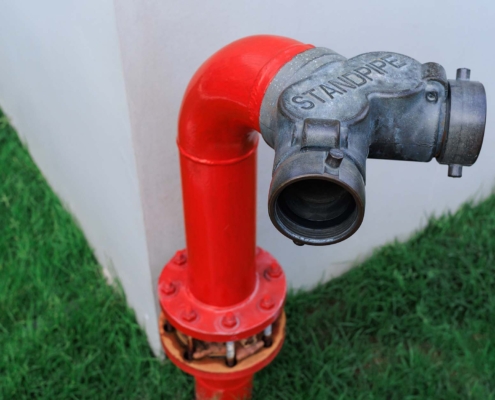
In this guide, we explore essential fire standpipe system components, how they function together, and why proper design, installation, and maintenance are critical to life safety.

What Is a Fire Standpipe System?

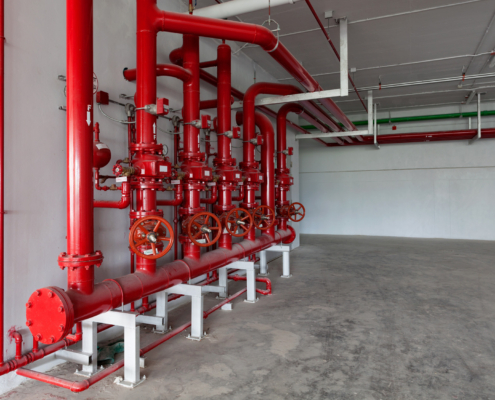
A fire standpipe system is a network of pipes designed to provide water for fire suppression in locations where hose lines are difficult to reach. These systems are a backbone in fire protection strategies for multi-story or sprawling buildings. They serve as an onsite, fixed water supply that supports manual firefighting operations—either by trained personnel or fire departments upon arrival.

Depending on the type and classification, standpipe systems may deliver water automatically, require manual connection to a water source, or operate in combination with a sprinkler system. They are commonly categorized as:

  • Class I: For use by fire departments and trained personnel (2.5-inch hose connections).
  • Class II: For use by occupants or building staff (1.5-inch hose connections).
  • Class III: For use by both fire departments and building occupants (includes both 1.5-inch and 2.5-inch connections).

Key Components of a Fire Standpipe System

Each standpipe system comprises various components, all working together to ensure efficient water delivery in an emergency.

Let’s break down these critical standpipe system parts:

1. Standpipes

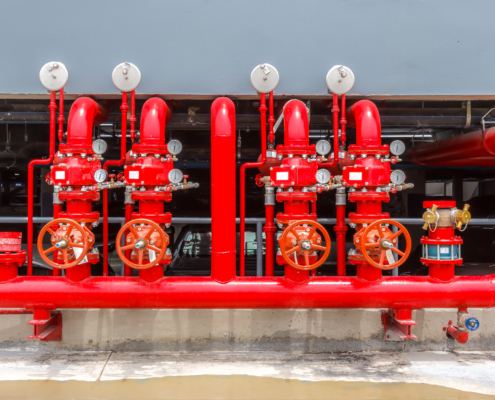
The standpipe itself is the vertical or horizontal piping that delivers water to multiple levels or areas of a building. These pipes are the heart of the system, channeling water from the main water source (either municipal supply or fire pump) to the hose connections located throughout the property.

Standpipes are typically constructed from steel or galvanized iron and are designed to withstand high pressure and temperature during firefighting operations.

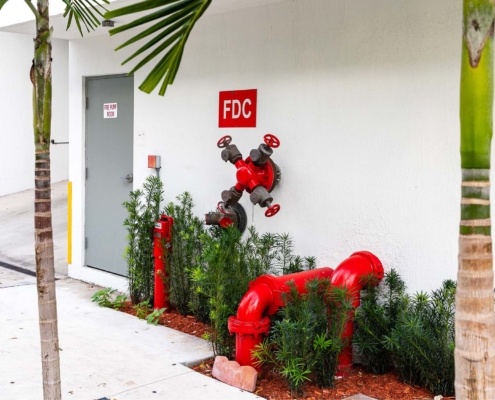
2. Fire Department Connections (FDC)

Also known as Siamese connections, FDCs are located outside the building and allow firefighters to connect hoses and pump water directly into the standpipe system. These fittings usually have two inlets that merge into one pipe, providing a fast and reliable method of boosting water pressure inside the building.

Maintaining FDCs is critical—they must remain accessible, capped, and free of obstructions.

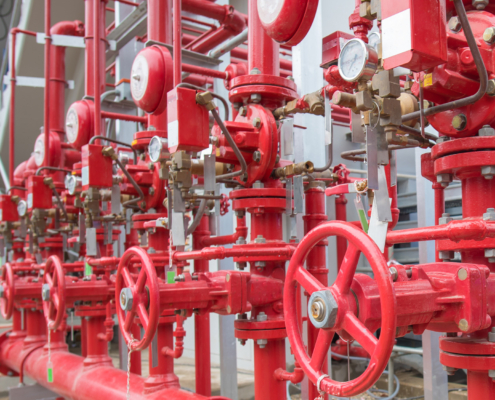
3. Hose Connections and Valve Outlets

Found at designated intervals (often every floor landing in stairwells), hose connections and valves provide access points for water delivery. In Class I systems, 2.5-inch outlets are installed, while Class II systems include pre-connected hoses with 1.5-inch outlets. Class III systems may offer both.

These valves are typically angle hose valves, and they may include pressure-reducing valves (PRVs) to manage safe operating pressure, especially in tall buildings.

4. Water Supply Source

The water that feeds the standpipe system can come from multiple sources:

  • Municipal water supply
  • On-site water tanks
  • Fire pumps

A reliable and sufficient water source is essential, as pressure and flow must meet NFPA (National Fire Protection Association) requirements for standpipe systems.

5. Fire Pumps

When the municipal water supply lacks sufficient pressure, a fire pump becomes necessary. This pump boosts the water pressure and flow rate to ensure the system delivers adequate water during an emergency.

Fire pumps must be tested regularly and maintained in accordance with NFPA 25 standards to ensure reliability.

Discover the best types of fire pump for your building between electric, diesel, and vertical turbine options. Make an informed choice for optimal fire safety.

Learn More

6. Pressure-Regulating Devices

To prevent excessive pressure that can damage hoses or injure firefighters, standpipe systems often incorporate pressure-regulating valves or devices. These ensure water pressure at each outlet remains within safe and usable ranges, especially in high-rise applications.

There are three main types:

  1. Pressure-Restricting Devices
  2. Pressure-Control Valves
  3. Pressure-Reducing Valves

Each is designed to function under different hydraulic conditions.

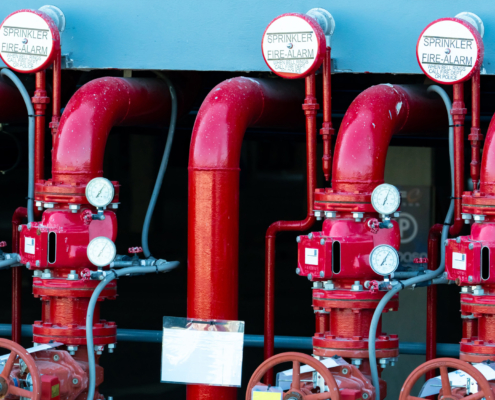
7. Drain Valves and Pressure Gauges

Drain valves allow for safe system testing and maintenance by draining water from the system. Pressure gauges, meanwhile, are installed at critical locations (such as the pump room or FDC) to monitor system performance and ensure pressure levels remain within code-compliant ranges.

Both are essential in confirming system readiness and identifying potential issues during routine inspections.

Types of Fire Standpipe Systems

Understanding the different types of standpipe systems can further guide proper installation and maintenance planning.

1. Dry Standpipe System

A dry system is empty under normal conditions and is only filled with water when activated by fire personnel through an FDC. These are ideal for areas subject to freezing temperatures (such as parking structures).

2. Wet Standpipe System

Wet standpipes are constantly filled with water and are ready for immediate use. These are most commonly installed indoors, in heated environments.

3. Combination Standpipe/Sprinkler System

These systems integrate the piping network for both sprinklers and hose outlets, simplifying design and water supply considerations. Combination systems are often seen in commercial high-rises.

Standpipe System Inspection and Maintenance

NFPA 25 mandates routine inspection, testing, and maintenance of standpipe systems. Key procedures include:

  • Weekly/Monthly: Visual inspection of valves and FDCs
  • Quarterly: Inspection of fire pumps (if applicable)
  • Annually: Flow tests, hose valve inspection, and verification of pressure-regulating devices
  • Every Five Years: Full hydrostatic testing of piping

Regular maintenance ensures all fire suppression equipment functions correctly when needed. Building owners and facility managers must ensure compliance to remain in good standing with local fire codes.

Why Fire Component Knowledge Matters

Understanding standpipe system parts allows property managers, engineers, and fire protection professionals to make informed decisions about system design, upgrades, and ongoing service. From ensuring valve compatibility to verifying pump performance, a well-informed approach ensures the system’s integrity in an emergency.

Improper installation or neglected maintenance can result in system failure, putting lives and property at risk. Whether you’re retrofitting an existing building or designing a new one, attention to detail in each component is non-negotiable.

The Role of Fire Suppression Equipment in Building Safety

Standpipe systems are just one part of a broader fire protection strategy. They often work in tandem with fire alarms, automatic sprinklers, fire extinguishers, and emergency lighting to form a comprehensive safety net.

The integration of all fire suppression equipment must be seamless and designed around the specific needs of the facility. Fire risk assessments, occupancy type, and building height all influence the proper setup and combination of systems.

Partner With a Fire Standpipe System Expert

At BMF Solutions, we specialize in providing reliable, code-compliant fire protection solutions, including inspection, testing, and maintenance of all standpipe system parts. Our certified technicians have the experience and industry knowledge to ensure that every piece of your fire suppression system, from fire department connections to pressure-regulating valves, operates exactly as it should in the event of an emergency.

With a focus on regulatory compliance and life safety, we deliver expert service tailored to your building’s unique needs. Whether you’re maintaining an existing system or planning a new installation, we’re here to help you protect what matters most.

Let us ensure your fire suppression equipment meets all NFPA and local standards, so your property is always ready when it counts. Contact us today to schedule your next inspection or system evaluation.

Share This Post

  • Share on Facebook
  • Share on X
  • Share on Pinterest
  • Share on LinkedIn
  • Share on Tumblr
  • Share on Vk
  • Share on Reddit
  • Share by Mail

More Like This

A Property Manager's Guide to Fire Sprinkler System Maintenance

A Property Manager’s Guide to Fire Sprinkler System Maintenance

Fire System
https://www.bmfsolutions.com/wp-content/uploads/2026/08/A-Property-Managers-Guide-to-Fire-Sprinkler-System-Maintenance.png 1250 2000 Abstrakt Marketing /wp-content/uploads/2023/11/BMF-Solutions-Logo.jpeg Abstrakt Marketing2026-08-17 15:17:252026-08-17 15:17:33A Property Manager’s Guide to Fire Sprinkler System Maintenance
Fire standpipe on corner of building

A Complete Standpipe System Inspection Checklist

Fire Standpipe, Fire System
https://www.bmfsolutions.com/wp-content/uploads/2025/08/Fire-standpipe-on-corner-of-building.jpg 1250 2000 Abstrakt Marketing /wp-content/uploads/2023/11/BMF-Solutions-Logo.jpeg Abstrakt Marketing2025-08-07 09:02:432026-05-06 13:35:45A Complete Standpipe System Inspection Checklist
Fire standpipe installed on side of building

How Fire Standpipes Help With Sprinkler System Integration

Fire Protection, Fire System
https://www.bmfsolutions.com/wp-content/uploads/2025/08/Fire-standpipe-installed-on-side-of-building.jpg 1250 2000 Abstrakt Marketing /wp-content/uploads/2023/11/BMF-Solutions-Logo.jpeg Abstrakt Marketing2025-08-05 10:46:192026-05-06 13:35:45How Fire Standpipes Help With Sprinkler System Integration
Benefits of a Fire Standpipe System: Protecting Your Building, Occupants, and Bottom Line

Benefits of a Fire Standpipe System: Protecting Your Building, Occupants, and Bottom Line

Fire System
https://www.bmfsolutions.com/wp-content/uploads/2025/07/Benefits-of-a-Fire-Standpipe-System-Protecting-Your-Building-Occupants-and-Bottom-Line.jpg 1250 2000 Abstrakt Marketing /wp-content/uploads/2023/11/BMF-Solutions-Logo.jpeg Abstrakt Marketing2025-07-03 11:12:012026-05-06 13:35:46Benefits of a Fire Standpipe System: Protecting Your Building, Occupants, and Bottom Line
A Guide to Fire Standpipe System Costs

A Guide to Fire Standpipe System Components 

Fire System
https://www.bmfsolutions.com/wp-content/uploads/2025/07/A-Guide-to-Fire-Standpipe-System-Costs.jpg 1250 2000 Abstrakt Marketing /wp-content/uploads/2023/11/BMF-Solutions-Logo.jpeg Abstrakt Marketing2025-07-03 11:05:082026-05-06 13:35:46A Guide to Fire Standpipe System Components 
A Guide to Standpipe System Codes and Regulations

A Guide to Standpipe System Codes and Regulations

Fire System
https://www.bmfsolutions.com/wp-content/uploads/2025/06/A-Guide-to-Standpipe-System-Codes-and-Regulation.jpg 1250 2000 Abstrakt Marketing /wp-content/uploads/2023/11/BMF-Solutions-Logo.jpeg Abstrakt Marketing2025-06-12 12:26:272026-05-06 13:35:46A Guide to Standpipe System Codes and Regulations

The Importance of Proper Standpipe System Installation

Fire System
https://www.bmfsolutions.com/wp-content/uploads/2025/06/The-Importance-of-Proper-Standpipe-System-Installation.jpg 1250 2000 Abstrakt Marketing /wp-content/uploads/2023/11/BMF-Solutions-Logo.jpeg Abstrakt Marketing2025-06-12 12:17:172026-05-06 13:35:47The Importance of Proper Standpipe System Installation
A Guide to How Fire Sprinklers Work

A Guide to How Fire Sprinklers Work 

Fire System
https://www.bmfsolutions.com/wp-content/uploads/2025/05/A-Guide-to-How-Fire-Sprinklers-Work.jpg 1250 2000 Abstrakt Marketing /wp-content/uploads/2023/11/BMF-Solutions-Logo.jpeg Abstrakt Marketing2025-05-29 08:02:352026-05-06 13:35:47A Guide to How Fire Sprinklers Work 

How Modern Sprinkler Systems Save Businesses Money

Fire System
https://www.bmfsolutions.com/wp-content/uploads/2025/02/How-Modern-Sprinkler-Systems-Save-Businesses-Money.jpg 1250 2000 Abstrakt Marketing /wp-content/uploads/2023/11/BMF-Solutions-Logo.jpeg Abstrakt Marketing2025-02-13 10:45:342026-05-06 13:35:50How Modern Sprinkler Systems Save Businesses Money
Previous Previous Previous Next Next Next

Categories

  • Education
  • Fire Protection
    • Inspection and Testing
  • Fire Pump
  • Fire Safety
  • Fire Standpipe
  • Fire System
  • Healthcare
  • Hospitality
  • new construction
  • Regulations and Compliance
  • Retrofit
  • Schools
  • Sprinkler System Installation
  • Standpipe Systems
  • Winterization

Contact Us

"*" indicates required fields

Location

Address
13602 Jarvis Road
Cypress, Texas 77429

Get In Touch

Phone
832-220-1500

Email
info@bmfsolutions.com

Services

Inspections and Testing 

Sprinkler Installation

Service and Repairs

Special Hazard Systems

About Us

BMF Solutions is a family-owned, family-oriented, full-service fire sprinkler contractor with broad industry expertise.

Learn More
Website by Abstrakt Marketing Group ©
  • Sitemap
  • Privacy Policy
Link to: A Guide to How Fire Sprinklers Work  Link to: A Guide to How Fire Sprinklers Work  A Guide to How Fire Sprinklers Work A Guide to How Fire Sprinklers Work Link to: The Importance of Proper Standpipe System Installation Link to: The Importance of Proper Standpipe System Installation The Importance of Proper Standpipe System Installation
Scroll to top Scroll to top Scroll to top

This site uses cookies. By continuing to browse the site, you are agreeing to our use of cookies.

AcceptLearn more

Cookie and Privacy Settings


How we use cookies

We may request cookies to be set on your device. We use cookies to let us know when you visit our websites, how you interact with us, to enrich your user experience, and to customize your relationship with our website.

Click on the different category headings to find out more. You can also change some of your preferences. Note that blocking some types of cookies may impact your experience on our websites and the services we are able to offer.

Essential Website Cookies

These cookies are strictly necessary to provide you with services available through our website and to use some of its features.

Because these cookies are strictly necessary to deliver the website, refusing them will have impact how our site functions. You always can block or delete cookies by changing your browser settings and force blocking all cookies on this website. But this will always prompt you to accept/refuse cookies when revisiting our site.

We fully respect if you want to refuse cookies but to avoid asking you again and again kindly allow us to store a cookie for that. You are free to opt out any time or opt in for other cookies to get a better experience. If you refuse cookies we will remove all set cookies in our domain.

We provide you with a list of stored cookies on your computer in our domain so you can check what we stored. Due to security reasons we are not able to show or modify cookies from other domains. You can check these in your browser security settings.

Other external services

We also use different external services like Google Webfonts, Google Maps, and external Video providers. Since these providers may collect personal data like your IP address we allow you to block them here. Please be aware that this might heavily reduce the functionality and appearance of our site. Changes will take effect once you reload the page.

Google Webfont Settings:

Google Map Settings:

Google reCaptcha Settings:

Vimeo and Youtube video embeds:

Accept settingsHide notification only