BMF Solutions LLP
  • Fire Protection
    • Inspection and Testing
    • Sprinkler System Installation
    • Fire Pump Installation
    • Fire Standpipe Services
    • Fire Water Storage Tanks
    • Service and Repairs
    • System Remodel
    • Retrofit
    • Special Hazard Systems
  • Industries
    • Commercial
    • Schools
    • Hospitality
    • Healthcare
  • Blog
  • About Us
    • Areas We Serve
      • College Station
    • Careers
  • Contact
  • Menu Menu

Fire Pump Maintenance: Ensuring Long-Term Reliability and Safety

Fire pumps play a crucial role in fire protection systems by maintaining adequate water pressure to suppress fires and protect property and lives. These systems are designed for emergencies, but their reliability depends on consistent maintenance. Facility managers need to prioritize regular inspections, performance testing, and routine tasks like lubrication and battery checks for diesel-driven pumps.

In this article, we cover the best practices for fire pump maintenance and explain how they ensure long-term reliability and compliance with fire safety regulations.

Why Fire Pump Maintenance Matters

A fire pump, or a fire suppression pump, acts as the heart of a fire protection system. It boosts water supply from municipal sources or on-site storage to sprinkler systems, standpipes, or hydrants. Without regular maintenance, fire pumps can fail when they’re needed most. Poorly maintained fire pumps can lead to:

  • Reduced performance: Corrosion, leaks, or mechanical failure reduces water delivery efficiency.
  • Non-compliance: Fines and penalties for not meeting fire safety codes.
  • Increased downtime: Unexpected repairs disrupt business operations.
  • Higher costs: Neglect leads to expensive repairs or replacements.

Preventive maintenance keeps fire pumps reliable, minimizes emergency failures, and ensures your facility stays compliant with safety regulations.

Best Practices for Fire Pump Maintenance

Properly maintaining your fire pump ensures it stays reliable, compliant, and ready to perform when emergencies strike.

Here are the best practices every facility manager should follow to keep their fire pump in peak condition.

Regular Inspections

Regular inspections form the backbone of fire pump maintenance. Visual inspections help spot early signs of wear, corrosion, leaks, or damage. During each inspection, check the following parts of a fire pump:

  • Pipe connections: Look for leaks or cracks.
  • Gauges and valves: Make sure they display accurate readings and operate correctly.
  • Electrical components: Inspect wiring for frays or loose connections.

Conducting weekly inspections helps you catch small issues before they turn into major problems. They allow you to identify issues with sprinklers, standpipes, valves, and alarm systems before they cause failures during emergencies. By adhering to inspection schedules outlined in NFPA standards, facility managers can reduce the risk of system malfunctions, avoid costly repairs, and stay compliant with fire safety regulations. Consistent inspections and maintenance work together to create a powerful defense against fire hazards, protecting both property and lives.

Performance Testing

Performance testing checks if the fire pump works under emergency conditions. Essential tests include:

  • Churn Test: Run this test weekly or monthly to verify the pump operates at zero-flow pressure.
  • Flow Test: Perform this annually to measure the pump’s ability to deliver water at different pressures and flow rates. This test ensures the pump meets NFPA 25 standards.
  • Alarm and Signal Testing: Confirm alarms, control panels, and signals work during pump operation.

These tests ensure your fire pump can handle real emergencies. However, a fire pump flow test is the most crucial fire pump performance assessment. Regular fire pump flow tests are essential to ensure that your fire pump can deliver the required water quantity at the correct pressure during an emergency. These tests verify the pump’s performance, identify potential issues before they lead to system failures, and help maintain compliance with fire safety standards. By conducting routine flow tests, facility managers can ensure their fire protection systems effectively operate when needed most.

Key Maintenance Tasks for Fire Pumps

Routine maintenance tasks keep fire pumps in top shape. Here are the critical tasks every facility manager should include:

Lubrication

Proper lubrication reduces friction and prevents wear on moving parts like bearings and shafts. Always use the manufacturer-recommended lubricants and check levels regularly. The right lubricant keeps your fire pump running smoothly.

Battery Checks for Diesel Pumps

Diesel-driven pumps rely on batteries to start. Batteries can lose charge or degrade over time. Regularly check:

  • Voltage levels: Use a multimeter to confirm a full charge.
  • Connections: Clean corroded terminals and secure all cables.
  • Electrolyte levels: If applicable, keep battery fluid levels correct to avoid damage.

Replace batteries proactively to ensure the diesel pump starts without issue.

Alignment and Coupling

Misalignment between the pump and driver causes vibrations, noise, and premature wear. Check alignment regularly and correct any issues to keep the pump running efficiently.

Packing Adjustment

For pumps with packed stuffing boxes, adjust the packing to control leakage and ensure lubrication. Over-tightened packing can cause overheating, while loose packing wastes water and risks contamination.

Impeller and Casing Maintenance

Inspect the impeller and casing for wear, corrosion, or debris buildup. These parts control water flow and pressure, so clean and repair them as needed to keep the pump performing well.

Pressure Relief Valve Checks

Pressure relief valves prevent over-pressurization, protecting the pump system from damage. Test and calibrate these valves regularly to ensure they work correctly.

Ensuring a Reliable Water Supply

A fire pump is only as good as its water source. To ensure a steady supply:

  • Check water availability: Confirm that municipal connections or on-site tanks provide adequate flow and pressure.
  • Inspect storage tanks: For systems with on-site tanks, check for leaks, sediment, and algae. Clean tanks regularly.
  • Monitor suction lines: Keep proper water levels and pressure in the suction lines to avoid cavitation, which can damage the pump.

Maintaining a reliable water source prevents interruptions during fire emergencies.

Staying Compliant With Fire Safety Regulations

Fire pump maintenance doesn’t just ensure reliability—it also meets legal requirements. Compliance with standards like NFPA 20 and NFPA 25 is essential. These standards outline how to maintain, test, and document fire pump systems.

Keep detailed maintenance records to show compliance during inspections or audits. Non-compliance can lead to fines, increased liability, and higher insurance premiums.

Ensuring your fire pumps remain reliable isn’t just about safety — it’s about maintaining compliance, protecting assets, and ensuring your business can continue operations without disruption. With consistent maintenance, performance testing, and a dependable water supply, your fire protection system stays ready for emergencies.

Reliable fire pumps minimize risks, reduce liability, and provide peace of mind that your facility is protected. By investing in proactive care and expert maintenance, you safeguard your people, property, and business from the devastating impact of fire emergencies.

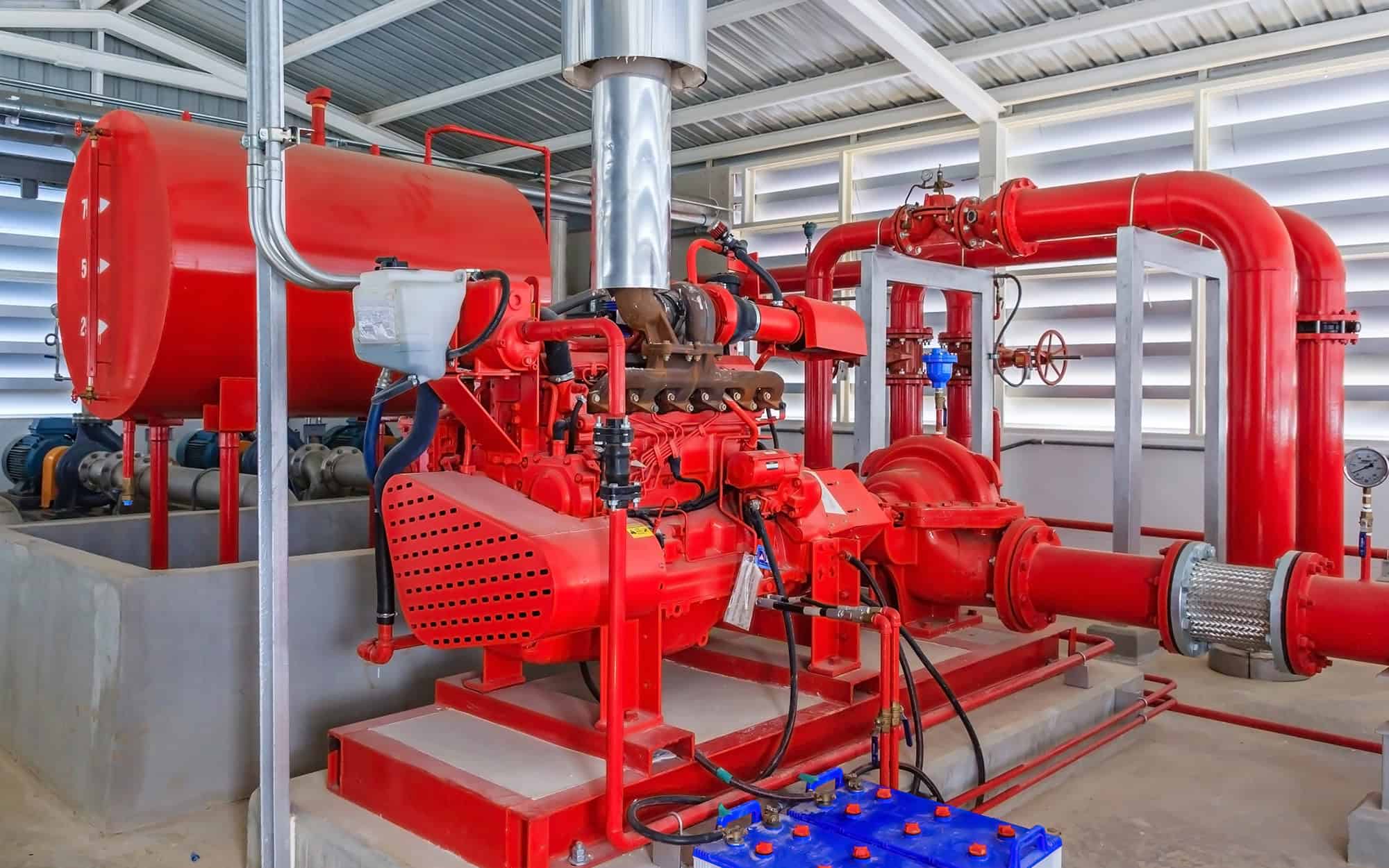
Discover the best types of fire pump for your building, from electric, diesel, and vertical turbine options. Make an informed choice for optimal fire safety.

Learn More

Partnering With Fire Protection Experts

While facility staff can handle some tasks, partnering with fire protection professionals ensures thorough maintenance. Experts bring the tools, skills, and experience needed for:

  • Advanced diagnostics and repairs
  • Accurate performance and flow testing
  • Guaranteed compliance with safety regulations
  • Working with professionals lets you focus on running your business while knowing your fire pumps are in top condition.

Keep Your Fire Pumps Ready With BMF Solutions

BMF Solutions offers top-tier fire pump maintenance to ensure your fire protection systems are always ready. Our skilled technicians handle inspections, testing, and repairs to keep your pumps compliant and reliable. We provide tailored solutions for various industries across Texas, from Houston to Lake Jackson, ensuring each fire pump meets your facility’s unique needs. With our commitment to quality and 15 years of experience, we help you avoid costly breakdowns and stay compliant with fire safety regulations. Trust BMF Solutions to protect your business, employees, and assets with reliable, long-lasting fire pump maintenance services. Contact us today to get a free estimate.

Share This Post

  • Share on Facebook
  • Share on X
  • Share on Pinterest
  • Share on LinkedIn
  • Share on Tumblr
  • Share on Vk
  • Share on Reddit
  • Share by Mail

More Like This

Fire standpipe on corner of building

A Complete Standpipe System Inspection Checklist

Fire Standpipe, Fire System
https://www.bmfsolutions.com/wp-content/uploads/2025/08/Fire-standpipe-on-corner-of-building.jpg 1250 2000 Abstrakt Marketing /wp-content/uploads/2023/11/BMF-Solutions-Logo.jpeg Abstrakt Marketing2025-08-07 09:02:432026-05-06 13:35:45A Complete Standpipe System Inspection Checklist
Fire standpipe installed on side of building

How Fire Standpipes Help With Sprinkler System Integration

Fire Protection, Fire System
https://www.bmfsolutions.com/wp-content/uploads/2025/08/Fire-standpipe-installed-on-side-of-building.jpg 1250 2000 Abstrakt Marketing /wp-content/uploads/2023/11/BMF-Solutions-Logo.jpeg Abstrakt Marketing2025-08-05 10:46:192026-05-06 13:35:45How Fire Standpipes Help With Sprinkler System Integration
Benefits of a Fire Standpipe System: Protecting Your Building, Occupants, and Bottom Line

Benefits of a Fire Standpipe System: Protecting Your Building, Occupants, and Bottom Line

Fire System
https://www.bmfsolutions.com/wp-content/uploads/2025/07/Benefits-of-a-Fire-Standpipe-System-Protecting-Your-Building-Occupants-and-Bottom-Line.jpg 1250 2000 Abstrakt Marketing /wp-content/uploads/2023/11/BMF-Solutions-Logo.jpeg Abstrakt Marketing2025-07-03 11:12:012026-05-06 13:35:46Benefits of a Fire Standpipe System: Protecting Your Building, Occupants, and Bottom Line
A Guide to Fire Standpipe System Costs

A Guide to Fire Standpipe System Components 

Fire System
https://www.bmfsolutions.com/wp-content/uploads/2025/07/A-Guide-to-Fire-Standpipe-System-Costs.jpg 1250 2000 Abstrakt Marketing /wp-content/uploads/2023/11/BMF-Solutions-Logo.jpeg Abstrakt Marketing2025-07-03 11:05:082026-05-06 13:35:46A Guide to Fire Standpipe System Components 
A Guide to Standpipe System Codes and Regulations

A Guide to Standpipe System Codes and Regulations

Fire System
https://www.bmfsolutions.com/wp-content/uploads/2025/06/A-Guide-to-Standpipe-System-Codes-and-Regulation.jpg 1250 2000 Abstrakt Marketing /wp-content/uploads/2023/11/BMF-Solutions-Logo.jpeg Abstrakt Marketing2025-06-12 12:26:272026-05-06 13:35:46A Guide to Standpipe System Codes and Regulations

The Importance of Proper Standpipe System Installation

Fire System
https://www.bmfsolutions.com/wp-content/uploads/2025/06/The-Importance-of-Proper-Standpipe-System-Installation.jpg 1250 2000 Abstrakt Marketing /wp-content/uploads/2023/11/BMF-Solutions-Logo.jpeg Abstrakt Marketing2025-06-12 12:17:172026-05-06 13:35:47The Importance of Proper Standpipe System Installation
A Guide to Fire Standpipe System Components

A Guide to Fire Standpipe System Components 

Fire System
https://www.bmfsolutions.com/wp-content/uploads/2025/06/A-Guide-to-Fire-Standpipe-System-Components.jpg 1250 2000 Abstrakt Marketing /wp-content/uploads/2023/11/BMF-Solutions-Logo.jpeg Abstrakt Marketing2025-06-12 12:04:462026-05-06 13:35:47A Guide to Fire Standpipe System Components 
A Guide to How Fire Sprinklers Work

A Guide to How Fire Sprinklers Work 

Fire System
https://www.bmfsolutions.com/wp-content/uploads/2025/05/A-Guide-to-How-Fire-Sprinklers-Work.jpg 1250 2000 Abstrakt Marketing /wp-content/uploads/2023/11/BMF-Solutions-Logo.jpeg Abstrakt Marketing2025-05-29 08:02:352026-05-06 13:35:47A Guide to How Fire Sprinklers Work 

How Modern Sprinkler Systems Save Businesses Money

Fire System
https://www.bmfsolutions.com/wp-content/uploads/2025/02/How-Modern-Sprinkler-Systems-Save-Businesses-Money.jpg 1250 2000 Abstrakt Marketing /wp-content/uploads/2023/11/BMF-Solutions-Logo.jpeg Abstrakt Marketing2025-02-13 10:45:342026-05-06 13:35:50How Modern Sprinkler Systems Save Businesses Money
Previous Previous Previous Next Next Next

Categories

  • Education
  • Fire Protection
    • Inspection and Testing
  • Fire Pump
  • Fire Safety
  • Fire Standpipe
  • Fire System
  • Healthcare
  • Hospitality
  • new construction
  • Regulations and Compliance
  • Retrofit
  • Schools
  • Sprinkler System Installation
  • Standpipe Systems
  • Winterization

Contact Us

"*" indicates required fields

Location

Address
13602 Jarvis Road
Cypress, Texas 77429

Get In Touch

Phone
832-220-1500

Email
info@bmfsolutions.com

Services

Inspections and Testing 

Sprinkler Installation

Service and Repairs

Special Hazard Systems

About Us

BMF Solutions is a family-owned, family-oriented, full-service fire sprinkler contractor with broad industry expertise.

Learn More
Website by Abstrakt Marketing Group ©
  • Sitemap
  • Privacy Policy
Link to: Understanding Fire Water Systems: A Step-by-Step Guide to Fire Pump Installation Link to: Understanding Fire Water Systems: A Step-by-Step Guide to Fire Pump Installation Understanding Fire Water Systems: A Step-by-Step Guide to Fire Pump Install...System engineer and Technician check fire Extinguishing System Piping and Pump Link to: A Guide to Fire Pump Testing: Ensuring Safety and Compliance  Link to: A Guide to Fire Pump Testing: Ensuring Safety and Compliance  A Guide to Fire Pump Testing: Ensuring Safety and Compliance 
Scroll to top Scroll to top Scroll to top

This site uses cookies. By continuing to browse the site, you are agreeing to our use of cookies.

AcceptLearn more

Cookie and Privacy Settings


How we use cookies

We may request cookies to be set on your device. We use cookies to let us know when you visit our websites, how you interact with us, to enrich your user experience, and to customize your relationship with our website.

Click on the different category headings to find out more. You can also change some of your preferences. Note that blocking some types of cookies may impact your experience on our websites and the services we are able to offer.

Essential Website Cookies

These cookies are strictly necessary to provide you with services available through our website and to use some of its features.

Because these cookies are strictly necessary to deliver the website, refusing them will have impact how our site functions. You always can block or delete cookies by changing your browser settings and force blocking all cookies on this website. But this will always prompt you to accept/refuse cookies when revisiting our site.

We fully respect if you want to refuse cookies but to avoid asking you again and again kindly allow us to store a cookie for that. You are free to opt out any time or opt in for other cookies to get a better experience. If you refuse cookies we will remove all set cookies in our domain.

We provide you with a list of stored cookies on your computer in our domain so you can check what we stored. Due to security reasons we are not able to show or modify cookies from other domains. You can check these in your browser security settings.

Other external services

We also use different external services like Google Webfonts, Google Maps, and external Video providers. Since these providers may collect personal data like your IP address we allow you to block them here. Please be aware that this might heavily reduce the functionality and appearance of our site. Changes will take effect once you reload the page.

Google Webfont Settings:

Google Map Settings:

Google reCaptcha Settings:

Vimeo and Youtube video embeds:

Accept settingsHide notification only